PR Application
Singapore PR vs. Singapore Citizenship: What's Really Different in 2026

Can PRs vote in Singapore? No. Only citizens 21 and over can. See how PR and citizenship compare in 2026 on CPF, ABSD, HDB, NS, school fees and healthcare.
Last updated: 12 November 2026
No. Permanent residents cannot vote in Singapore's parliamentary or presidential elections. Only Singapore citizens aged 21 or older who are on the Register of Electors can vote, and for them voting is compulsory.
PR and citizenship also differ on CPF, property, National Service and school fees. The sections and table below compare them.
Can PRs Vote in Singapore Elections?
No. The Elections Department (ELD) puts it plainly: "Permanent residents are not eligible to vote in Singapore." That applies to both parliamentary and presidential elections.
Who can vote. ELD says you qualify for the Register of Electors if you:
- are a Singapore citizen (holder of a pink NRIC)
- are 21 or older on the cut-off date for the registers
- are not disqualified from voting under any law
- have a Singapore home address on your NRIC or, if your NRIC address is overseas, a Singapore contact address registered with ICA
Presidential and parliamentary elections. The same Registers of Electors are used for both, so the same citizens can vote in both.
Voting is compulsory for citizens. Every citizen whose name is on the registers has to vote on Polling Day. If you do not, your name is removed from the registers after the election, and you cannot vote in later presidential or parliamentary elections until it is restored. To restore it, you apply to the Registration Officer, online with Singpass or in person. If you had no valid reason for not voting, the fee is S$50.
PRs have no duty to vote, because they are not on the registers.
What changes when a PR becomes a citizen. You get a pink NRIC, but your name only goes onto the registers when they are next revised. ELD notes that a missing name is likely if you recently became a citizen, so you may not be able to vote in an election held soon after you convert. You can check your eligibility on the Singpass app, or at a community centre/club or ServiceSG Centre. Once you are on the registers, voting is compulsory. Our Singapore citizenship guide covers the application itself.
Voting in your home country. As a PR, whether you can still vote in your home country's elections depends on that country's rules. Once you are a Singapore citizen, voting in another country's election can be grounds for losing Singapore citizenship.
For the official rules, read the ELD voter FAQ.
What Is the Difference Between Singapore PR and Citizenship?
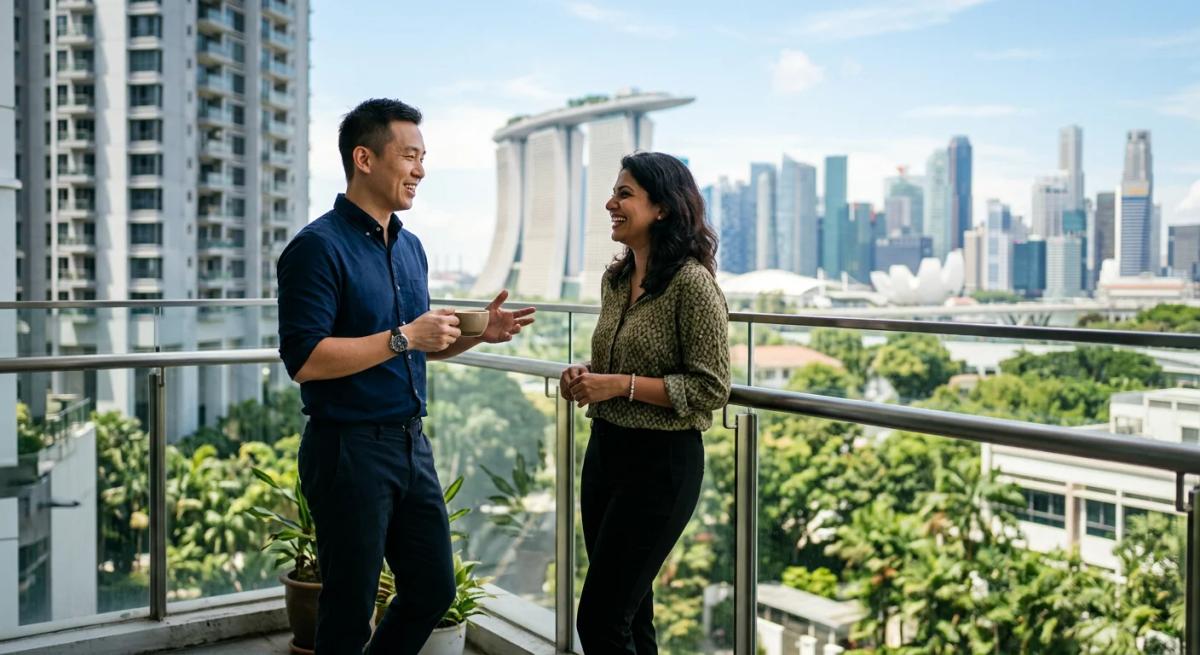
Legal status
- Permanent resident (PR): Allows foreign nationals to live and work in Singapore long-term while remaining citizens of their home country.
- Singapore citizen: Grants full legal rights and responsibilities, including voting and eligibility for public office.
Eligibility criteria
- PR: Requires employment, family ties, or investment in Singapore.
- Singapore citizen: More stringent requirements, including a longer residency period. You must hold PR for at least two years before you can apply for citizenship through ICA.
Voting rights
- PR: Cannot vote in parliamentary or presidential elections.
- Singapore citizen: Can vote in parliamentary and presidential elections. Voting is compulsory for citizens aged 21 and above who are registered on the Register of Electors.
Passport
- PR: Must use their foreign passport. Visa requirements depend on nationality.
- Singapore citizen: Receives a Singapore passport, consistently ranked among the strongest in the world with visa-free or visa-on-arrival access to 192 destinations (Henley Passport Index, July 2026).
Renunciation
- PR: Can be revoked by ICA or voluntarily renounced.
- Singapore citizen: Requires a formal legal process. Singapore does not allow dual citizenship for adults, so you must renounce your original citizenship when taking up the Singapore passport.
Social benefits
- PR: Receives limited benefits compared to citizens.
- Singapore citizen: Accesses the full range of government subsidies, grants, and transfer payments.
School and healthcare costs
- PR: Pays higher school fees and polyclinic charges than citizens.
- Singapore citizen: Lower fees across the board. Eligible for MediFund and CHAS subsidies at GP and dental clinics.
Maternity leave
- PR: 16 weeks of Government-Paid Maternity Leave if your child is a Singapore citizen. If your child is not a citizen, 12 weeks under the Employment Act, if you qualify.
- Singapore citizen: The same rule applies. Leave depends on your child's citizenship, not yours: 16 weeks of Government-Paid Maternity Leave if the child is a Singapore citizen.
Similarities Between Singapore PR and Citizenship
- Both can access public services including healthcare and education.
- Both can work in Singapore without additional work permits.
- Both enjoy legal protections under Singaporean law.
- Both are encouraged to integrate into the local community.
Side-by-Side Comparison: PR vs Citizen in 2026
If you are weighing PR against citizenship, the table below breaks down the differences that actually affect your wallet, your housing options, and your family. Figures are as of November 2026.
2026 Comparison
| Area | Singapore Citizen | Permanent Resident |
|---|---|---|
| CPF rate (55 and below) | 37% from day one | 9% year 1, 24% year 2 by default (22% / 32% if the employer pays full rates by joint application), 37% from year 3 |
| Voting | Compulsory for citizens 21+ | Not allowed |
| HDB BTO flats | Eligible | Only together with a citizen applicant |
| HDB resale flats | No waiting period; CPF housing grants if eligible | 3-year waiting period; CPF housing grants only with a citizen applicant |
| ABSD 1st property | 0% | 5% |
| ABSD 2nd property | 20% | 30% |
| National Service | Male citizens, including young new citizens; men who become citizens as mature adults (typically in their 30s or 40s) are not enlisted | Second-generation male PRs (PR through their parents); first-generation PRs are not liable |
| Passport | Singapore passport, 192 destinations visa-free or visa-on-arrival (Henley Passport Index, July 2026) | Home country passport |
| Dual citizenship | Not permitted | Can maintain home citizenship |
| Primary school fees | S$0/month school fee (+S$13 misc.) | S$330/month (+S$13 misc.) |
| Healthcare subsidy Class C ward | Up to 80% | Up to 50% |
| Baby Bonus | Yes, if the child is a Singapore citizen | Yes, if the child is a Singapore citizen (pro-rated if neither parent was a citizen at birth) |
| GST Voucher | Yes, within income and property limits | No |
| Family sponsorship | Spouse, children, and parents | Spouse and unmarried children under 21 |
| Re-Entry Permit | Not required | Needs a valid REP to travel; renew before it expires |
Tip: Under the graduated CPF schedule, new PRs contribute less in their first two years. The exact amount depends on whether your employer uses the Full/Graduated or Graduated/Graduated rate table. For most adult applicants, citizenship does not raise your CPF rate. Under the standard route you need at least 2 years as a PR before you can apply, and from your third year as a PR you already contribute at the full 37% (for age 55 and below).
Our Singapore citizenship guide explains the application process, eligibility pathways, and documents you will need. If you are still preparing your PR application, our PR application guide walks through the requirements step by step.
When Should You Convert From PR to Citizenship?
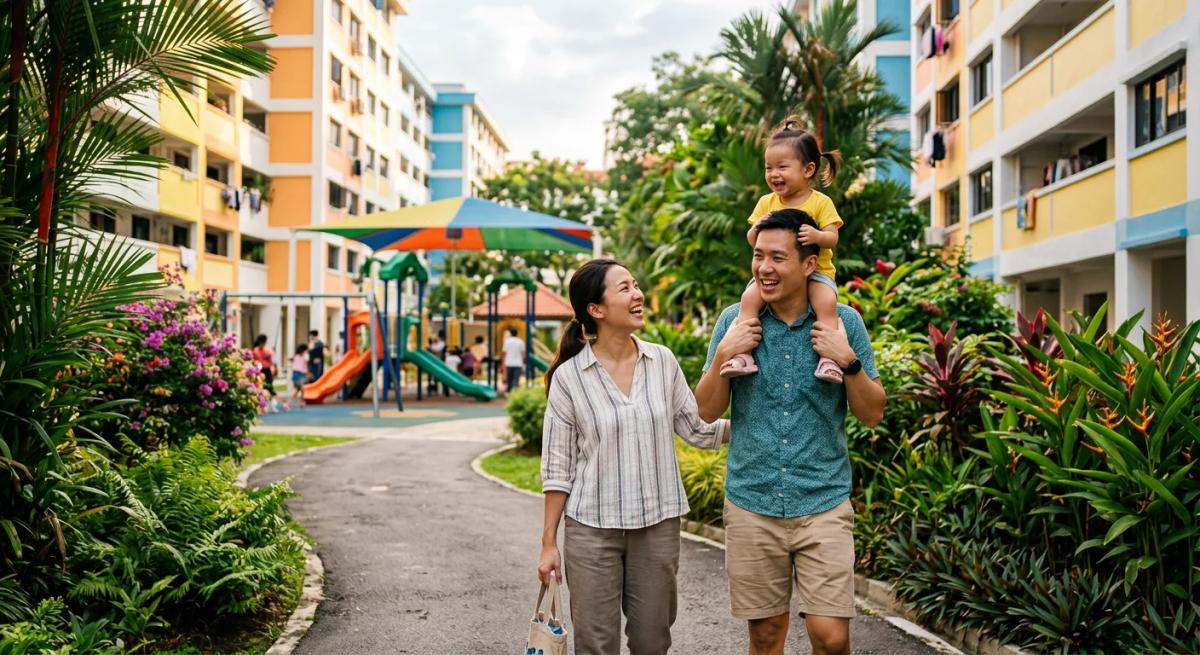
There is no single right answer. What works for a young family putting down roots looks very different from what suits an entrepreneur who flies across Asia every month. Here are five scenarios we see regularly at our practice.
Scenario 1: Long-term settler with children in local schools. If your children are growing up in Singapore and you plan to stay permanently, the savings add up fast. School fees drop from S$330 to S$0 at primary level, you can be the citizen applicant that a BTO flat application needs, and a child born after you become a citizen gets the full Baby Bonus rather than a pro-rated one. Second-generation male PRs already have to serve National Service anyway, so converting wouldn't create a new NS obligation for your sons.
Scenario 2: Career professional who may relocate. If your employer could transfer you overseas within the next few years, staying as a PR probably makes more sense. You keep your home country passport, sidestep the dual-citizenship prohibition, and can return to Singapore on a Re-entry Permit when you're ready.
Scenario 3: Retiree settling in Singapore. Citizens get higher healthcare subsidies (up to 80% versus 50% for PRs in Class C wards) and GST Voucher cash if they meet the income and property limits. CPF is not a reason to convert here: the higher contribution rates for workers aged above 55 to 65 (effective 2026) apply to PRs from their third year as well.
Scenario 4: Property buyer watching ABSD. Stamp duty is where the numbers get serious. On a S$1.5 million condo, a citizen pays zero ABSD on their first property while a PR pays S$75,000 (5%). For a second property, it's 20% for citizens versus 30% for PRs. That's a S$150,000 difference on the same place. If you are buying soon, run the numbers before deciding. You can read more about property considerations for PRs. For the full ABSD rates and remission rules, see our ABSD guide for PRs and foreigners.
Scenario 5: Entrepreneur with global business ties. The Singapore passport gives visa-free or visa-on-arrival access to 192 destinations, but you have to give up your current citizenship to get it. If your business depends on visa-free access to countries where your home passport performs better, that's a real cost to factor in. For some nationalities the switch is a clear upgrade; for others, less so.
Note: DPM Gan Kim Yong announced in February 2026 that Singapore expects to take in 25,000 to 30,000 new citizens a year over the next five years, up from around 25,000 in 2025.
Not sure where you fall? Our immigration consultants work with PRs every week who are weighing this same decision. Get in touch with our citizenship team →

Frequently Asked Questions
Can permanent residents vote in Singapore?
No. Only Singapore citizens aged 21 and above who are registered on the Register of Electors can vote. PRs cannot vote in parliamentary or presidential elections. Voting is compulsory for eligible citizens. A registered citizen who does not vote is removed from the registers after the election and pays S$50 to be restored if there was no valid reason. A new citizen is added only when the registers are next revised.
Do PRs have to vote in Singapore?
No. PRs are not on the Register of Electors, so they have no duty to vote. Voting is compulsory only for citizens on the register.
When can a new citizen vote for the first time?
Not always at the next election. Your name is added to the Registers of Electors only when they are next revised, so if an election is called soon after you become a citizen, you may not be on the register yet. You can check your eligibility on the Singpass app, or at a community centre/club or ServiceSG Centre.
What is the difference between a PR and a citizen in Singapore?
It comes down to voting rights, property access, CPF rates, and passport. Citizens can vote, buy BTO flats, pay 0% ABSD on their first home, and travel on a Singapore passport. PRs keep their home country citizenship but pay higher stamp duties, wait 3 years for HDB resale, and cannot vote. The comparison table above has the full breakdown. Our immigration resources cover specific topics in more detail.
Can a PR buy HDB in Singapore?
Yes. A PR can buy a resale flat after holding PR status for at least 3 years. New Build-To-Order (BTO) flats and CPF housing grants need a Singapore citizen applicant, so a PR can only get them by buying together with a citizen, such as a citizen spouse.
Should I convert my PR to citizenship?
It depends on your long-term plans. If you intend to stay in Singapore permanently and want cheaper housing, better healthcare subsidies, and lower school fees, citizenship makes sense. If you need flexibility to relocate or want to keep your original citizenship, staying as a PR may suit you better. The five scenarios above cover the most common situations we see.
Do PRs need to serve National Service?
First-generation adult PRs (those who received PR status as working adults) are not required to serve. Second-generation male PRs, meaning those who received PR as children or while in school, must register for and complete National Service, just like male citizens. You can read more about how NS interacts with immigration status in our post on National Service, PR, and citizenship. If you are a second-generation PR, our guide to National Service for second-generation PRs covers your case in more detail.
How long does it take to go from PR to citizen?
You must hold PR status for at least two years before you are eligible to apply. ICA generally processes the citizenship application itself within 12 months, though timelines can vary. You will also need to complete the Singapore Citizenship Journey (SCJ) programme if you are between 16 and 60 years old. The application fee is S$100, plus S$70 for the citizenship certificate and S$10 for a new identity card. For a detailed breakdown of what to expect at each stage, see our Singapore citizenship guide. If you have not yet obtained PR, start with our PR application guide.
What happens to my CPF if I become a citizen?
Your CPF account does not change. Any contributions made as a PR carry over, and becoming a citizen does not reset your balance.
The main difference is the contribution rate in your first two years as a PR. Citizens aged 55 and below get the full 37% from day one. PRs follow a graduated schedule based on years since obtaining SPR status. By default (the Graduated/Graduated schedule), total contributions are 9% in the first year and 24% in the second. If you and your employer jointly apply and CPF Board approves, your employer can pay full rates instead (Full/Graduated), for totals of 22% and 32%. From the third year onward, the full 37% applies. Under the standard route you need at least 2 years as a PR before applying for citizenship, so by the time you convert you are already on the full rate and it does not change. This timeline is tied to your PR approval date and does not reset when you change employers. For more detail, see our CPF guide for permanent residents.
Conclusion
The distinctions between PR and Singapore citizen status carry real implications for your finances, family planning, and long-term security. Understanding these differences helps you make an informed decision about whether and when to take the next step.
The information in this article is accurate as of November 2026. Immigration policies change regularly. Always verify the latest requirements on the ICA website before making any decisions.
Thinking about upgrading from PR to citizenship? Speak with our consultants to find out whether the timing is right for you.
Go Deeper
Related Guides
Definitive Singapore PR Application Guide 2026
Complete guide to applying for Singapore Permanent Residence in 2026. Covers all 7 eligibility categories, required documents, step-by-step ICA e-Service process, fees, processing timeline, and what to do after approval.
Definitive Singapore Citizenship Application Guide 2026
Complete guide to Singapore citizenship application in 2026. Covers eligibility pathways, ICA assessment factors, required documents, step-by-step process, fees, processing times, and the February 2026 policy update on increased intake.
Singapore Re-Entry Permit (REP) Renewal Guide 2026
Complete guide to renewing your Singapore re-entry permit in 2026, including the new 180-day prescribed period, ICA assessment factors, fees, and what the December 2025 rule changes mean for PRs.