
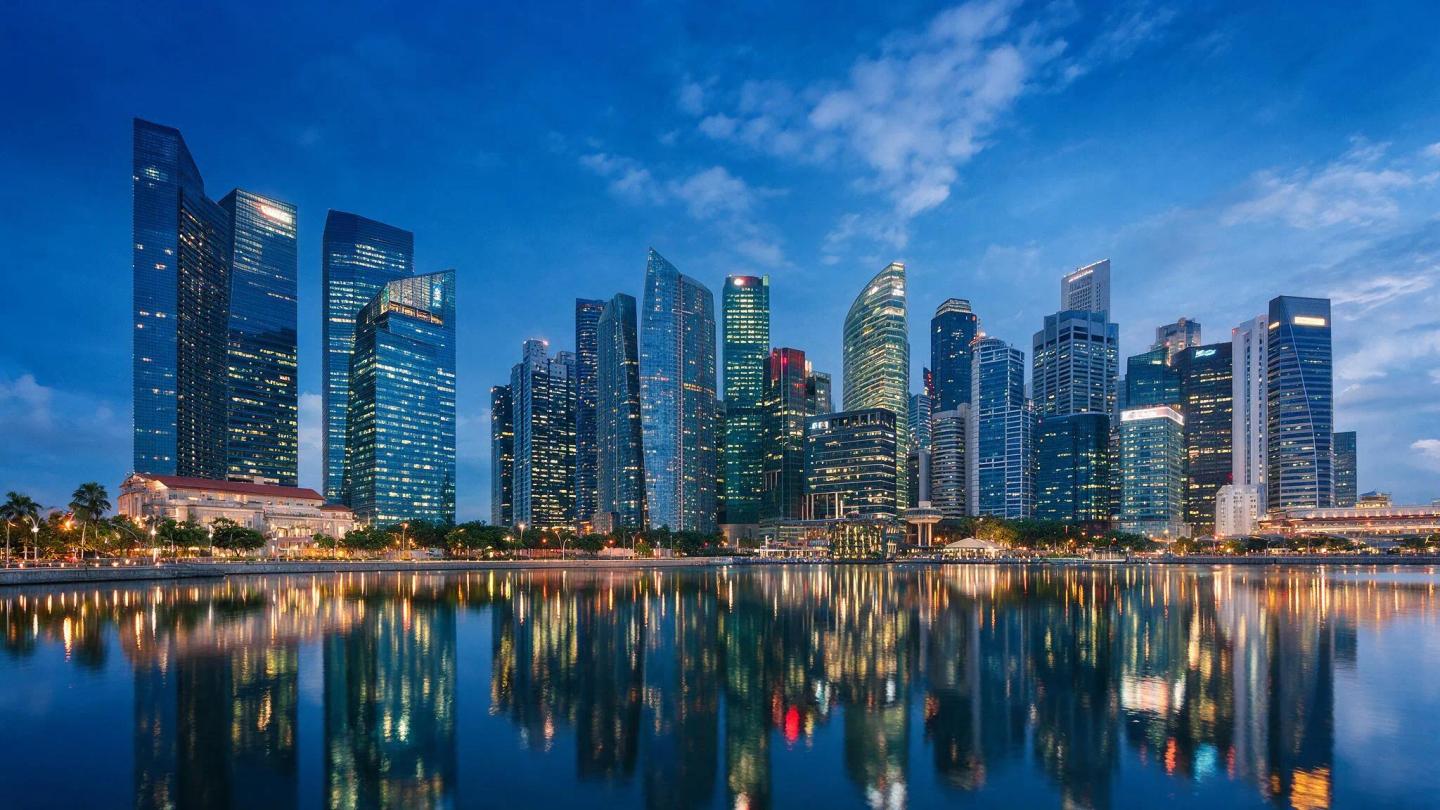
Living in SG
Singapore vs Hong Kong: Which Is Better for PR & Relocation in 2026?
An evenhanded comparison of Singapore and Hong Kong for PR and relocation in 2026, covering immigration pathways, tax, housing, schools, business and quality of life to help you decide which city fits your move.
Last updated: 28 August 2026
For decades, Singapore and Hong Kong have been the two cities professionals compare when they think about building a life in Asia. Both are compact, safe, well-connected financial centres with low taxes and world-class airports. If you are weighing Singapore vs Hong Kong for PR and relocation in 2026, the honest answer is that neither city is universally "better." The right choice depends on your income, your family stage, your industry, and how permanent you want your move to be.
This guide compares the two cities the way an immigration adviser would: starting with the actual pathways to residency, then working through tax, housing, schools, business environment, and quality of life. Where competitors stop at cost-of-living tables, we lead with the part most people underestimate, which is how you actually get, and keep, the right to stay.
A quick note before we begin: immigration rules, tax rates, and investment thresholds change. Every figure below is current as of 28 August 2026 and drawn from official sources, but you should confirm the latest position with IRAS, ICA, and the Hong Kong Immigration Department (ImmD) and Inland Revenue Department (IRD) before acting.
Immigration pathways compared
This is where the two systems differ most, and where a lot of relocation advice falls short.
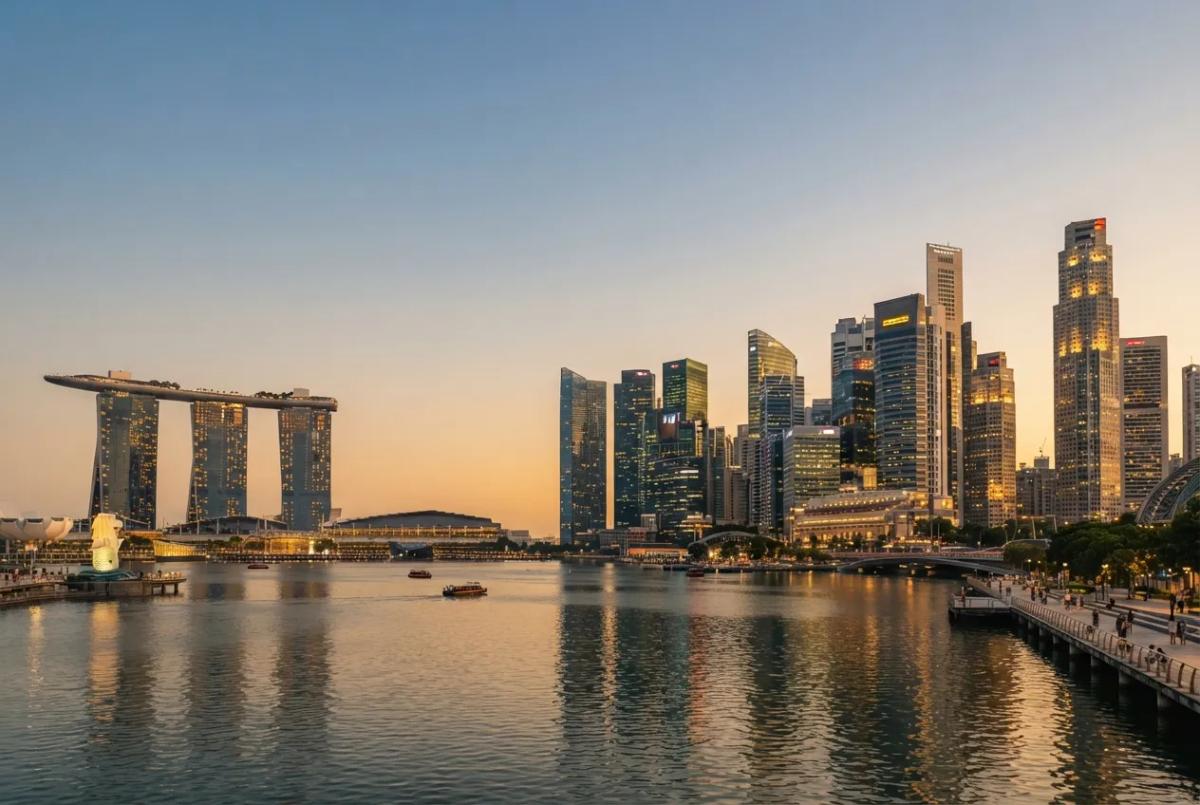
Singapore does not have a single "move here" visa. Most professionals arrive on an Employment Pass or S Pass, work for a period, and then apply for permanent residence through the Professionals/Technical Personnel and Skilled Workers (PTS) scheme. Spouses and children of citizens and PRs can apply under the Family Ties Scheme. At the top end, the Global Investor Programme (GIP) offers a direct route to PR for investors who commit at least SGD 10 million to a new or existing Singapore business (higher thresholds apply for the approved-fund and family-office routes, at SGD 25 million and above), with a GIP application fee of SGD 20,000 per applicant. The Immigration and Checkpoints Authority (ICA) assesses every PR application as a whole, weighing your economic contribution, family ties, length of stay, qualifications, and age. There is no published pass rate, and approval is never guaranteed. If you are starting from an Employment Pass, our Singapore PR application guide walks through what strengthens a case.
Hong Kong leans more heavily on named talent and investment schemes:
- Top Talent Pass Scheme (TTPS): Category A is for individuals who earned at least HK$2.5 million in the past year. Categories B and C are for graduates of roughly 200 eligible universities, with differing work-experience requirements.
- Quality Migrant Admission Scheme (QMAS): a points-based route that, unlike Singapore's PTS, does not require a job offer before you apply.
- New Capital Investment Entrant Scheme (New CIES): relaunched in 2024, requiring at least HK$30 million in permissible assets, of which HK$27 million goes into Hong Kong financial assets and HK$3 million into the CIES Investment Portfolio.
The headline contrast: Hong Kong offers clearer "apply from abroad" talent visas, while Singapore generally expects you to be working locally before you convert to PR. For a similar side-by-side in a different market, see our Singapore vs Malaysia PR comparison, and for the work-pass step that usually comes first, our Employment Pass guide.
The path to permanence
A talent visa is not the finish line. What matters for a long-term move is how you become permanent.
In Hong Kong, the path is unusually clear. After seven years of continuous ordinary residence, you and qualifying dependants can apply for the Right of Abode, which confers permanent residency. The seven-year clock is the defining feature of settling in Hong Kong.
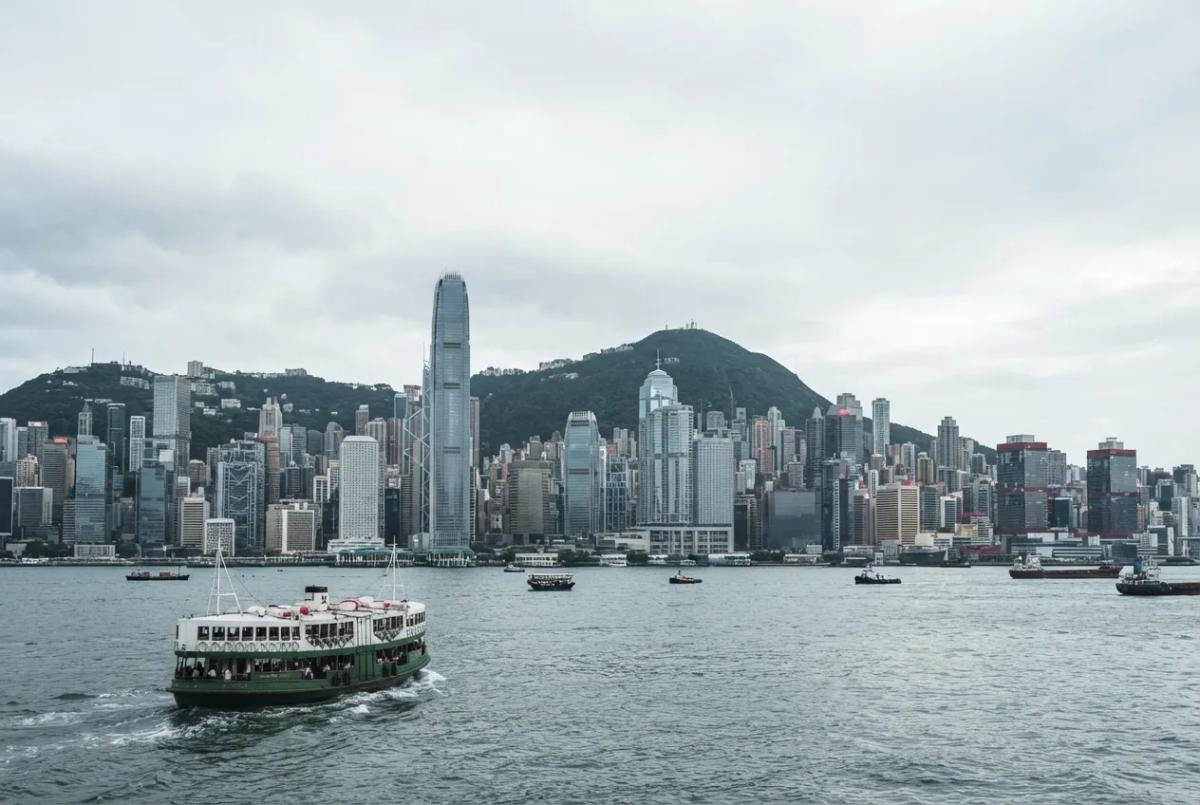
In Singapore, permanent residence comes first and is renewable rather than time-limited. PRs hold a Re-Entry Permit (REP), typically valid for five years, which must be renewed to keep PR status. Singapore citizenship is a separate, later step, and here is the catch many people miss: Singapore does not allow dual citizenship, so becoming a Singapore citizen means renouncing your existing nationality. Hong Kong's arrangement, tied to Chinese nationality law, works differently.
For families thinking a decade ahead, this distinction matters as much as tax. If you want a clean seven-year runway to permanent status, Hong Kong's route is the simpler one. If you value a renewable residency that keeps options open without forcing you to give up your passport immediately, Singapore's PR structure fits better.
Singapore vs Hong Kong tax compared
Both cities are famous for low taxes, and both levy no capital gains tax. The difference is in the shape of the income tax.
- Income and salaries tax: Singapore is progressive, with 0% on the first SGD 20,000, rising to 23% on SGD 500,000 to 1 million and 24% above SGD 1 million (YA2024 onwards). Hong Kong charges the lower of progressive 2% to 17% rates or a standard rate of 15% on the first HK$5 million of net income and 16% above.
- Capital gains tax: None in either city.
- Goods and services tax: Singapore levies GST at 9%; Hong Kong has none.
- Dividends and interest (individuals): Generally not taxed in either city.
For a typical professional salary, Singapore's progressive system often produces a low effective rate once reliefs are applied, and the top 24% band only bites on chargeable income above SGD 1 million. Hong Kong's standard-rate cap of 15% to 16% tends to win for very high earners, because it flattens out where Singapore's brackets climb. As a rough rule of thumb, Singapore is usually the cheaper of the two up to roughly SGD 300,000 to 400,000 of income, after which Hong Kong's cap starts to pull ahead. On a SGD 100,000 salary, for example, a single filer's Singapore bill typically lands a few thousand dollars below the Hong Kong equivalent. One factor the headline rates hide: once you become a Singapore PR, you and your employer contribute to the Central Provident Fund (CPF), which trims take-home cash but builds retirement and housing savings, whereas Hong Kong's Mandatory Provident Fund (MPF) takes a much smaller, capped slice. Neither answer is universal, and the 9% GST in Singapore versus no GST in Hong Kong shifts some of the cost onto everyday spending. If you are moving as a PR, our explainer on income tax for Singapore PRs breaks down residency and rates in more detail. Confirm current bands with IRAS and the Hong Kong IRD, as budget measures adjust year to year.
Cost of living and housing
Housing is the largest line item in either city, and both are expensive.
Indices such as Numbeo and Expatistan generally place Singapore around 14% to 16% pricier overall than Hong Kong, though the breakdown varies by source and by lifestyle. Hong Kong tends to command higher rents in prime districts and delivers famously small floor plans, while Singapore can run higher on dining and some daily goods. Cars are costly in both, and notoriously so in Singapore because of the Certificate of Entitlement system.
For anyone planning to buy rather than rent, Singapore adds a steep cost for foreigners and PRs through Additional Buyer's Stamp Duty (ABSD). This changes the maths for property investors considerably. Our guide to what property a Singapore PR can buy covers the eligibility and stamp-duty side before you commit.
Education and international schools
Families often decide on schools before anything else.
Hong Kong has a deep bench of international schools, many operating a debenture system where families pay a large, sometimes refundable capital sum for admission priority. Singapore has fewer campuses but larger ones, regulated under the Committee for Private Education (CPE), with places allocated through transparent waitlists that can run one to three years at the most sought-after schools such as UWCSEA and Singapore American School.
The practical trade-off: Hong Kong can offer a faster route in if you are willing and able to pay a debenture, while Singapore's system is more transparent but requires planning your application well ahead of your move.
Business environment and stability
Both cities sit at the top of global financial-centre rankings, and each has a distinct pitch.
Singapore is generally seen as the stronger bet on political stability, rule-of-law perception, and English-medium administration, which makes it a common choice for regional headquarters. Hong Kong's edge is its depth of capital markets and its role as the gateway to mainland China, which is difficult to replicate anywhere else in Asia. For a fund manager who needs proximity to Chinese listings and investors, Hong Kong is hard to beat. For a company that wants a stable, neutral base for Southeast Asia, Singapore tends to win.
On the corporate side, both keep headline rates low: Singapore charges 17% (with partial exemptions that reduce the effective rate on a company's initial profits), while Hong Kong runs a two-tiered profits tax of 8.25% on the first HK$2 million and 16.5% above. Founders should also note that both jurisdictions have adopted the global minimum tax, so the very largest multinational groups now face a 15% effective floor in either location.
Quality of life, safety and connectivity
On day-to-day liveability, the two cities trade blows.
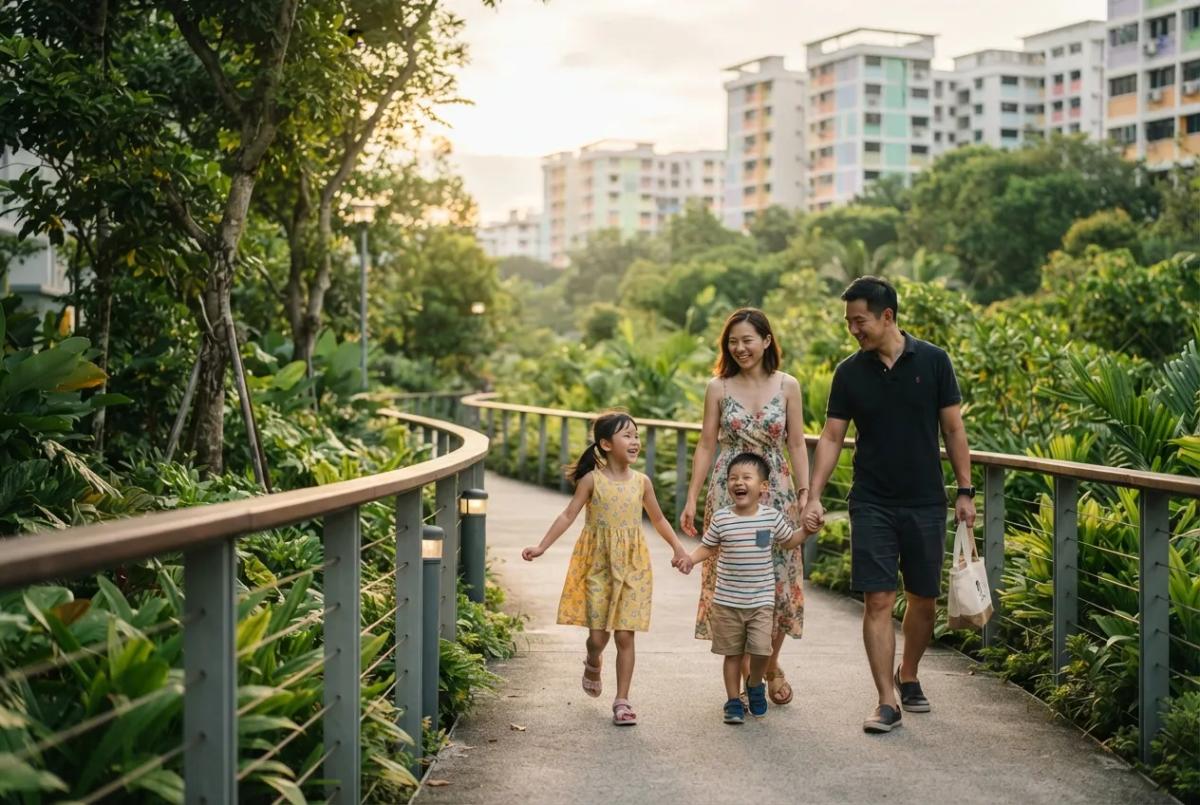
Singapore consistently scores well on personal safety, cleanliness, air quality, and family-friendliness, and Changi Airport is a reliable long-haul hub. Hong Kong counters with energy, an unmatched food and bar scene, and some of the best hiking and outdoor access of any major city, plus quick connections into mainland China and across the region. If clean air and calm suit your family, Singapore leans your way. If you want intensity, mountains within reach, and a shorter hop into China, Hong Kong has the advantage.
Singapore vs Hong Kong: which suits you?
Rather than crown a single winner, here is how the decision tends to break down by profile.
- Families with school-age children: Singapore's safety, air quality, and transparent (if slow) school waitlists appeal to parents planning a long stay. Hong Kong suits families comfortable with the debenture route and drawn to its outdoor lifestyle.
- Finance professionals: Hong Kong's capital-markets depth and mainland access remain a strong draw, and its standard-rate tax cap rewards very high earners. Singapore appeals to those who prioritise stability and a regional, rather than China-focused, mandate.
- Founders and investors: Singapore's GIP and its ecosystem of funds and family offices suit those building or basing capital in Southeast Asia. Hong Kong's New CIES and market access suit investors oriented toward China.
- Tech and skilled talent: Hong Kong's TTPS and QMAS make it easy to arrive without a job offer. Singapore expects a work pass first, but offers a clear, renewable PR pathway once you are established.
Summary comparison table
Singapore vs Hong Kong
| Dimension | Singapore | Hong Kong |
|---|---|---|
| Main residency routes | EP/S Pass to PR (PTS), Family Ties, GIP (at least SGD 10m) | TTPS, QMAS (no job offer), New CIES (at least HK$30m) |
| Path to permanence | Renewable PR (5-year REP); citizenship later, no dual nationality | Right of Abode after 7 years' continuous residence |
| Income tax | Progressive to 24% (above SGD 1m); 0% on first SGD 20k | Lower of progressive 2%-17% or standard 15%/16% |
| Capital gains tax | None | None |
| Consumption tax | GST 9% | None |
| Housing | High; ABSD for foreigners/PRs | High rents, small units, debenture-driven schools |
| Stability | Strong on stability and rule-of-law perception | Deep capital markets, mainland China gateway |
| Lifestyle edge | Safety, clean air, family-friendly | Energy, outdoors, China proximity |
Frequently asked questions
Is Singapore better than Hong Kong for PR?
Neither is better in the abstract. Hong Kong offers a clearer path to permanence, with the Right of Abode after seven years of continuous residence, and easier talent visas you can apply for from abroad. Singapore expects most applicants to hold a work pass first, then convert to a renewable PR through schemes like PTS or the GIP. Singapore tends to suit those prioritising long-term stability and family life, while Hong Kong suits those wanting a fixed seven-year runway or close ties to mainland China.
Singapore vs Hong Kong tax: which is lower?
It depends on your income. Both cities have no capital gains tax. Hong Kong caps salaries tax at a standard rate of 15% on the first HK$5 million of net income and 16% above, which favours very high earners. Singapore's progressive system runs from 0% on the first SGD 20,000 to a top rate of 24% above SGD 1 million, and often produces a low effective rate for typical salaries after reliefs. Singapore also charges 9% GST, while Hong Kong has none. Confirm current rates with IRAS and the Hong Kong IRD.
Singapore or Hong Kong: which is better to live in?
Singapore generally scores higher on safety, air quality, cleanliness, and family-friendliness, with Changi Airport as a strong travel hub. Hong Kong offers more urban energy, a celebrated food and outdoor scene, and quick access to mainland China. Families and those wanting calm often prefer Singapore, while those seeking intensity and outdoor adventure lean toward Hong Kong.
How long does it take to become permanent in each city?
In Hong Kong, permanent residency (Right of Abode) follows seven years of continuous ordinary residence. In Singapore, there is no fixed number of years; PR is granted at ICA's discretion after weighing your overall profile and is then renewed via the Re-Entry Permit. Singapore citizenship is a later, separate step and requires renouncing your existing nationality, as Singapore does not allow dual citizenship.
Thinking about making Singapore your long-term home?
The Singapore vs Hong Kong decision is the easy part. Getting your Singapore PR application right, and keeping it, is where expert guidance pays off. If Singapore is the direction you are leaning, our team can assess your profile and map the strongest pathway for your situation. Explore our Singapore PR services to get started.
This article is for general information only and does not constitute immigration, tax, or legal advice. Immigration schemes, tax rates, and investment thresholds change; always confirm the current position with the relevant authorities (IRAS, ICA, Hong Kong ImmD, and Hong Kong IRD) or a qualified adviser before acting.
Go Deeper
Related Guides
Definitive Singapore PR Application Guide 2026
Complete guide to applying for Singapore Permanent Residence in 2026. Covers all 7 eligibility categories, required documents, step-by-step ICA e-Service process, fees, processing timeline, and what to do after approval.
Buying Property in Singapore as a PR or Foreigner (ABSD, Rules & Costs)
A Singapore PR pays 5% ABSD on a first home while a foreigner pays 60%. This guide covers what PRs and foreigners can buy, current ABSD, BSD and SSD rates, financing limits and the full upfront cost.
Keep Reading
Related Posts
Income Tax for Singapore PRs: Rates, Reliefs and Filing Guide (2026)
A practical guide to Singapore income tax for Permanent Residents, covering progressive tax rates for YA 2026, key reliefs like CPF and SRS, how PR tax compares with EP holders, and step-by-step filing instructions.